Health Coaching
Progress Doesn't Always Look Like You Expected
4 min read
5 Signs You Might Be Disconnected From Nature From an Antartctic Ambassador & Health Coach
 Rachel Browne··5 min read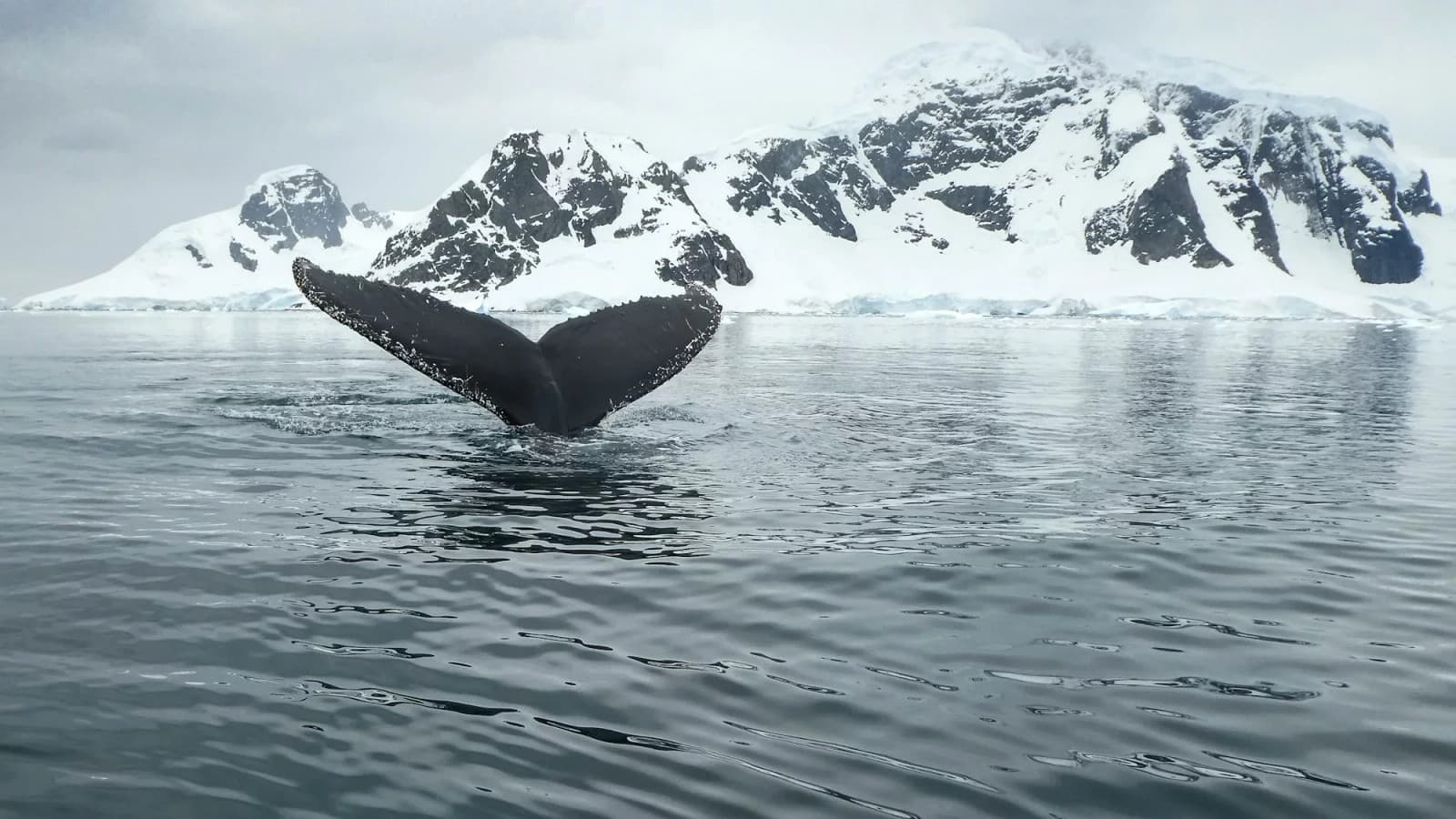
I’ve been noticing a pattern lately both in myself and in the people I work with. A kind of background noise. Part of why I pay attention to this so closely comes from my love of the outdoors and the opportunity I had last year to undertake Eco Rooted mindfulness Training.
I’m an Antarctic Ambassador. I signed up to be a part of this community because I really believe in the power of sharing knowledge and I hope that the photos I have shared of this beautiful place might inspire others to take a closer look at nature through a different lens. On this trip I had the unique experience of learning directly from scientists and researchers studying one of the most sensitive ecosystems on the planet.
And the thing that’s stayed with me didnt happen in a lecture on board the ship, (but I genuinely did learn a lot from very smart people on that ship!)
On a clear day, perfect conditions. The sea was like glass, and a humpback whale and her young calf swam past our boat while on an excusion. The scale of the place was hard to take in. The air felt completely clean and sharp. Icbergs surrounding us, mountains in the background. Everything felt intact. Undisturbed. And sitting there, perched on the side of the zodicac, what struck me wasn’t just how important it is to protect places like that, but simultaneously how easy it is to forget that we’re part of the same eco system in our everyday lives at home.
That disconnection doesn’t just affect the environment. It affects us. So when something feels off, I don’t just look at habits or mindset. I look at what your body might be missing. I also consider what yout immediate environment is like, things like your screentime, your access to outside spaces and your daily movement. These things can have a bigger impact on us than we even realise sometimes.
You’re sleeping. You’re taking breaks. But you don’t feel properly restored. Research shows that spending time in natural environments can significantly reduce cortisol, your main stress hormone. In some studies, even 20 minutes in a green space led to measurable drops in cortisol levels. That matters, because real rest isn’t just stopping, it’s your nervous system shifting into recovery mode. We cant really have a proper rejueveinating rest without disconnecting from daily stressors and giving our brains a break.
Our modern lives are very fast paced. There’s constant input: screens, noise, information. Studies based on Attention Restoration Theory (developed by Rachel and Stephen Kaplan) suggest that our ability to focus isn’t unlimited. When we use directed attention on screens, tasks, decisions, etc. this fatigues us over time. Nature seems to support recovery from that fatigue in a specific way. Nature engages what researchers call “soft fascination”, meaning that your attention is held without strain. In controlled studies, people who spend time in natural environments (or even view natural scenes) tend to perform better on tests of attention and working memory afterwards compared to those exposed to urban environments. Researchers have observed measurable improvements in tasks involving focus and short-term memory following short nature walks. (Nature) So it’s not just that nature feels calming, it can actually change how your attention system functions. Your brain isn’t designed for constant directed effort without recovery. Nature interrupts that loop, by engaging your mind differently enough that it can reset.
You try to rest, and instead of relaxing, you feel restless or slightly on edge. That’s often a sign your baseline stress level is elevated. Research on Shinrin-yoku (forest bathing) shows that time in forest environments can lower heart rate, reduce blood pressure, and decrease stress hormone activity. In other words, nature helps bring your system out of that constant low level “on” state. When we arent familiar with spending time in nature this slowing down can feel unfamiliar, even uncomfortable at first.
You’re thinking, planning, getting through your day. But not really feeling present. Natural environments increase sensory engagement: what you can see, hear, and physically feel. Some studies have shown that time in nature is linked to reduced activity in the part of the brain associated with rumination, that repetitive overthinking loop. Which is why being outside often brings a quiet sense of coming back to yourself.
That sense of being calm, present, and physically settled feels distant. Large population studies have found that people who live near or regularly access green space report lower levels of anxiety and depression, even when other lifestyle factors are taken into account. Your nervous system can in fact respond to your environment.
One of the biggest things I took from my Antarctic experience is this: Connection to nature doesn’t have to be extreme or remote to matter. Real change happens in our small every day actions in our usual environments. It shows up in small, consistent ways.
A short walk.Light on your face in the morning.Gardening.A few minutes of actual stillness outside.
The research is clear that even these small exposures are enough to start shifting how your system feels.
It is because of this reflection that I began the forest walks series last summer to offer some time for stillness, reflection and chats in the forests near where I live and where I spend a lot of my time. It was my hope to inspire some awe and quiet fascination among the families who joined me on those walks.
I really do believe that nature is a powerful tool in our wellbeing tool kit. I feel very lucky to have found my way to where I live now surrounded by lake, woodlands and hills with plenty of opportunity for outdoor activities and reflection.
At Brown Bear Wellness, I support clients in shifting their focus inwards through mindfulness practices, while exploring practical, realistic ways to support wellbeing in everyday life. Occasionally this takes the form of group sessions outside and this is something I really hope to continue.
Mind Yourselves,
Rachel
Whether it's a class or 1:1 support, I'll meet you where you are. Book a free, no-obligation chat and we'll figure out the right first step together.
Nutritionist and pre/postnatal coach with a 14-year nursing background and an MSc in Nutrition & Health. More about Rachel →
Short, practical reads on nutrition and movement — plus new classes and free downloads, straight to your inbox.